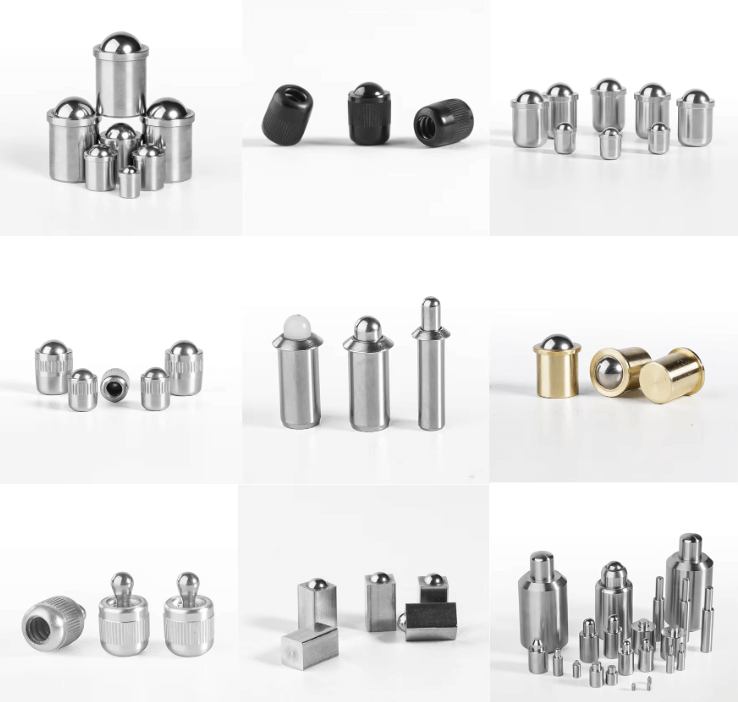
A spring plunger is a versatile mechanical component used for indexing, positioning, and securing parts in various applications. Choosing the right spring plunger involves considering several factors to ensure optimal performance and longevity. This guide will walk you through the key aspects to consider when selecting a spring plunger for your specific needs.
Understanding Spring Plungers: A Primer
Before diving into selection criteria, let’s briefly recap what a spring plunger is. It’s a compact, spring-loaded device consisting of a body, an internal spring, and a protruding tip (ball or pin). The spring provides consistent pressure, allowing the tip to retract when pressed and return to its extended position upon release. This simple mechanism makes them ideal for various applications where precise positioning or secure locking is required.
Key Factors to Consider When Selecting a Spring Plunger
Several factors influence the performance and suitability of a spring plunger. Carefully evaluating these aspects is crucial for making the right choice.
1. Tip Style and Application
The tip shape significantly impacts the plunger’s functionality. Different tip styles cater to specific application requirements:
- Ball Plungers: Best suited for smooth rolling contact, light loads, and applications where surface protection is important. They are often used in sliding or rotating mechanisms. They can also act as electrical insulators.
- Pin/Spring Plungers: Ideal for precise locking into holes and handling heavier loads. They provide defined engagement and are commonly found in ejector pins within molds.
- Pull-Pin Plungers: These offer a quick-release mechanism, often used in adjustable fixtures or tubing applications.
- Heavy-Duty Plungers: Designed for high-stress environments, such as stamping machinery, and offer increased holding force.
- Lateral Plungers: These are side-mounted and are suitable for positioning workpieces from the side. Some options are sealed to resist dirt and debris.
2. Load Requirements and Spring Force
Determine the required holding force or the load the plunger needs to withstand. This is crucial for selecting a spring with the appropriate spring force. Too little force may result in insufficient locking, while too much force can cause damage or difficulty in operation. Consider the following:
- Static Load: The force required to keep the component in place.
- Dynamic Load: The forces generated during operation, such as vibrations or impacts.
Consult the manufacturer’s specifications to determine the spring force range and ensure it aligns with your application’s needs.
3. Size and Dimensions
Spring plungers come in various sizes, including body diameter, thread size, and overall length. Choose a size that fits the available space in your design. Ensure that the plunger’s dimensions are compatible with the mating components and the intended mounting method.
4. Material Selection
The material of the spring plunger, especially the body and tip, impacts its durability, corrosion resistance, and suitability for specific environments. Common materials include:
- Steel: Offers good strength and is suitable for general-purpose applications.
- Stainless Steel: Provides excellent corrosion resistance, making it suitable for wet or harsh environments.
- Plastic: Used in some applications for its non-conductive properties or weight reduction.
5. Thread Type and Mounting
Consider the thread type (e.g., metric or inch) and the mounting method. Spring plungers typically have threaded bodies for easy installation into a tapped hole. Ensure the thread size and pitch match the tapped hole in your application.
6. Environmental Considerations
Assess the operating environment for potential factors that may affect the spring plunger’s performance:
- Temperature: Ensure the plunger’s materials can withstand the operating temperature range.
- Corrosion: If the environment is corrosive, select a plunger made from corrosion-resistant materials, such as stainless steel.
- Contamination: If there is a risk of dirt, debris, or other contaminants, consider using a sealed spring plunger.
Step-by-Step Selection Process
- Define Application Requirements: Clearly understand the purpose of the spring plunger, the loads involved, and the operating environment.
- Choose Tip Style: Select the tip style best suited for the application based on the required function (locking, positioning, etc.).
- Determine Load and Spring Force: Calculate the required holding force and select a spring plunger with a suitable spring force.
- Select Size and Material: Choose the appropriate size, dimensions, and material based on available space, load requirements, and environmental factors.
- Consider Mounting and Thread: Ensure the thread type and mounting method are compatible with your design.
- Review Manufacturer Specifications: Consult the manufacturer’s catalog or website for detailed specifications, including dimensions, materials, and performance characteristics.
- Test and Validate: If possible, test the spring plunger in a prototype or simulated environment to verify its performance before final implementation.
Conclusion
Choosing the right spring plunger is critical for the reliable performance of your machines, tools, and assemblies. By carefully considering the tip style, load requirements, size, material, and environmental factors, you can make an informed decision that meets your specific needs. Remember to consult manufacturer specifications and, if necessary, seek expert advice to ensure optimal results.